The three layers of light
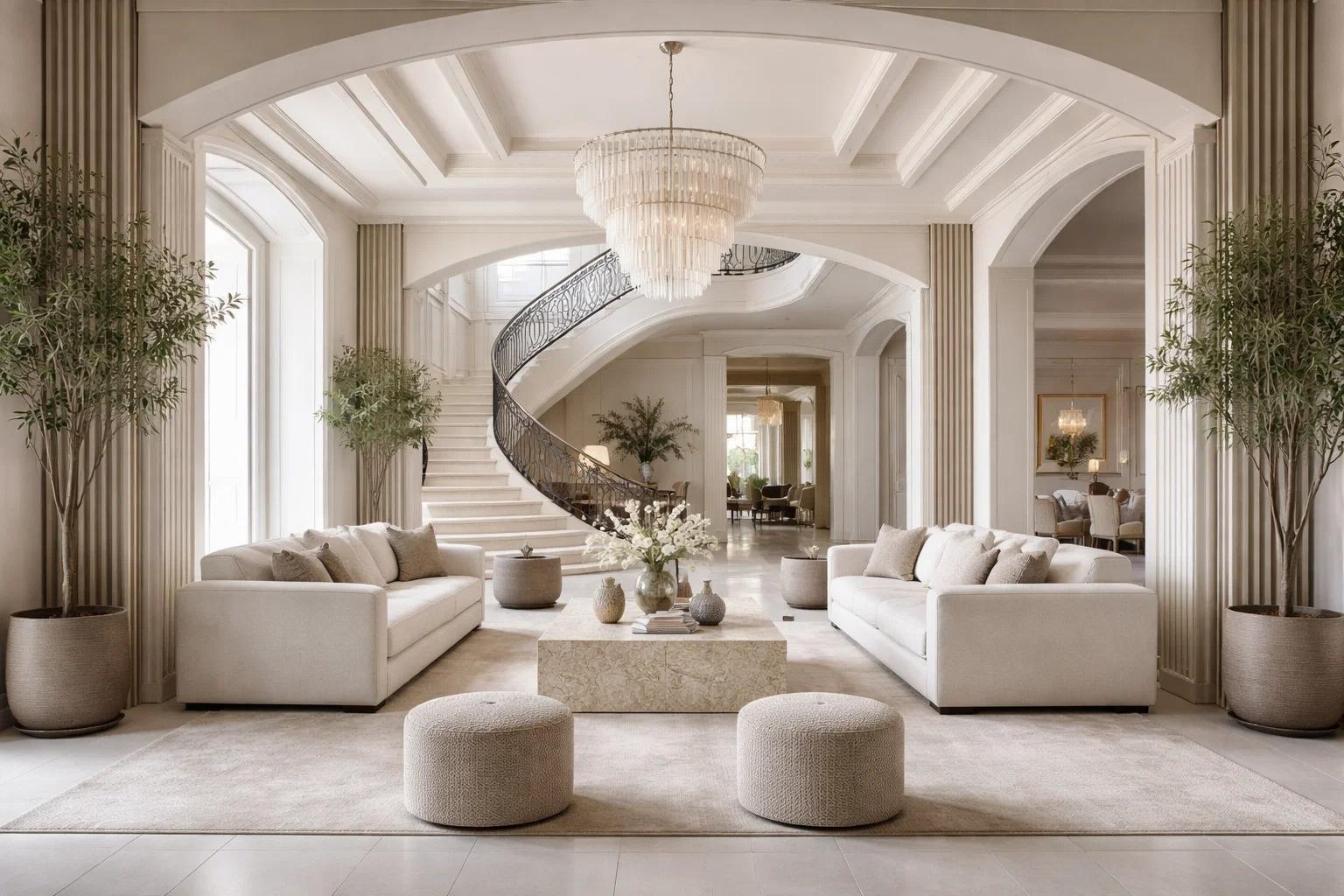
Well-lit rooms combine three kinds of light:
- Ambient — the overall light that lets you move around comfortably
- Task — focused light for cooking, reading, dressing and working
- Accent — light that highlights a TV wall, display shelf, artwork or pooja unit
Types of lights
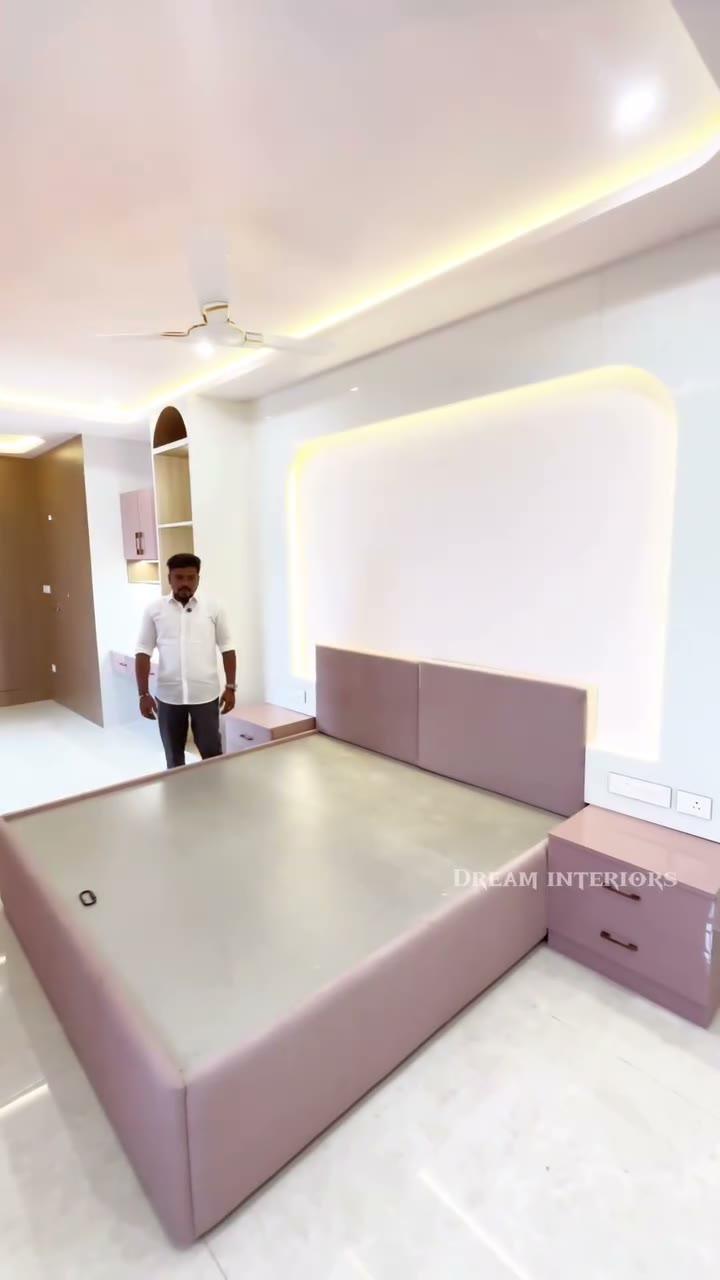
- Cove lights — hidden in the false ceiling edge for a soft glow
- Profile (linear) lights — slim LED strips in aluminium channels for clean lines
- COB spotlights — focused beams for walls and displays
- Panel lights — even, bright light for kitchens and utility areas
- Pendants — over dining tables and kitchen islands
- Wall washers — light that grazes textured or fluted walls
- Strip lights — inside shelves, wardrobes and under cabinets
- Sensor lights — in foyers, wardrobes and passages
Warm, neutral or cool white?
Colour temperature is measured in kelvin (K). Warm white (around 2700–3000K) feels relaxing and suits living rooms and bedrooms. Neutral white (around 4000K) is good where you need to see clearly — kitchens, study tables and bathrooms. Avoid mixing different colour temperatures randomly in the same room.
Room by room
- Living room — cove lighting, spotlights on the TV wall and a floor or table lamp
- Kitchen — bright under-cabinet task lights over the counter
- Bedroom — dimmable lights, a soft bed-back glow and reading lights at each side
- Pooja unit — warm backlighting behind a jali or inside niches
- Bathroom — mirror lighting that lights the face without shadows
- Foyer — a sensor light so you're never coming home to a dark entrance
Plan lighting before the ceiling
Light positions, switches, dimmers and two-way switches (for example, at the bedroom door and the bed) need to be fixed before the false ceiling and furniture are made. Changing them later means cutting finished work.
Lighting by Dream Interiors
We plan the lighting together with the false ceiling and furniture in one layout, so every light has a purpose and a switch in the right place.
See our false ceiling and lighting designs.